Maintaining social connections becomes increasingly important as people age. Strong relationships contribute to emotional health, cognitive wellness, and overall quality of life. Yet many older adults face challenges that make regular social interaction more difficult. Retirement, mobility limitations, the loss of friends or family members, and transportation concerns can gradually reduce opportunities for meaningful engagement.
For this reason, many senior care professionals consider social wellness just as important as physical health. Communities like Menorah Life recognize that creating opportunities for connection can significantly improve the daily lives of older adults.
The Hidden Impact of Isolation
Social isolation affects millions of older adults across the United States. While occasional solitude can be enjoyable, prolonged isolation may contribute to:
- Increased feelings of loneliness
- Depression and anxiety
- Reduced physical activity
- Poor sleep quality
- Declining cognitive health
- Lower overall life satisfaction
Research has shown that social isolation can affect health outcomes in ways similar to other well-known risk factors. This is why maintaining regular interaction remains an important component of healthy aging.
Why Relationships Matter at Every Age
Human beings are naturally social. Friendships, family relationships, and community involvement provide emotional support and a sense of belonging.
For older adults, social connections often help:
- Maintain self-confidence
- Reduce stress
- Encourage physical activity
- Improve mood
- Provide purpose and motivation
- Create opportunities for learning and growth
Regular interaction keeps individuals engaged with the world around them and contributes to greater emotional resilience.
The Role of Community in Healthy Aging
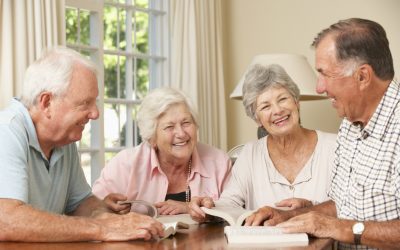
Senior living communities and adult day programs help create environments where social
engagement occurs naturally. Residents and participants have regular opportunities to meet others, share experiences, and participate in activities that foster connection.
Common opportunities include:
- Group meals
- Exercise classes
- Educational workshops
- Volunteer projects
- Arts and crafts
- Religious services
- Cultural events
- Discussion groups
These shared experiences often lead to lasting friendships and stronger support networks.
Cognitive Benefits of Staying Social
Social interaction stimulates the brain. Conversations require attention, memory, listening, and problem-solving skills. Participating in group activities encourages mental engagement and helps keep cognitive abilities active.
Many senior programs intentionally incorporate activities that promote both social and cognitive stimulation, creating benefits that extend beyond simple entertainment.
Physical Health Benefits
Socially engaged older adults are often more physically active than those who spend most of their time alone.
Group fitness classes, walking programs, recreational activities, and community outings encourage movement while making exercise more enjoyable. Participants are often more likely to remain active when activities involve friends and social encouragement.
Regular activity supports mobility, balance, cardiovascular health, and overall independence.
Emotional Well-Being and Purpose
A sense of purpose plays an important role in emotional health. Participating in activities, helping others, learning new skills, or simply spending time with friends can contribute to feelings of fulfillment.
Many older adults report improved happiness and confidence after becoming involved in community programs that provide meaningful social opportunities.
Supporting Family Relationships
Social engagement benefits families as well. When older adults maintain active lifestyles and social connections, family interactions often become more enjoyable and less focused on caregiving concerns.
Relatives gain reassurance knowing their loved one is participating in meaningful activities and building relationships outside the family circle.
Creating Opportunities for Connection
Families can encourage social engagement by:
- Promoting participation in community programs
- Encouraging hobbies and interests
- Arranging regular outings
- Supporting volunteer activities
- Exploring senior living or adult day programs when appropriate
Small steps often lead to significant improvements in quality of life.
Final Thoughts
Healthy aging involves much more than medical care. Social connection remains one of the most powerful influences on emotional, cognitive, and physical well-being.
Communities such as Menorah Life demonstrate how meaningful engagement, friendships, and community involvement can help older adults maintain independence, confidence, and purpose. By prioritizing social wellness, families can support happier, healthier lives for the people they love.