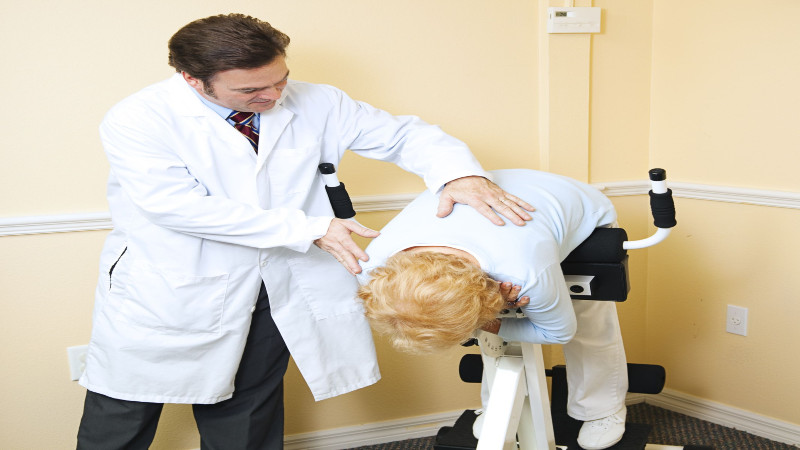
Upper back pain that becomes noticeable during a deep breath may occur because breathing involves movement of the ribs, upper spine, muscles, and surrounding tissues. When these structures are irritated, restricted, or under increased stress, expanding the chest during a deep breath may make discomfort more noticeable.
For people in San Diego, CA, deep breathing is a daily movement that happens thousands of times without thought. When a person begins noticing pain with this simple action, it may provide useful information about how the upper back and surrounding areas are functioning.
Why Does Breathing Affect the Upper Back?
Breathing is not limited to the lungs.
Each breath involves movement through the rib cage, chest muscles, upper back muscles, and joints connecting the ribs to the spine. As the chest expands, these structures must move together to allow normal breathing mechanics.
If one area is stiff or sensitive, the movement involved in a deeper breath may create discomfort.
This does not mean that every case of pain with breathing comes from the spine. Several conditions can affect the chest and upper back region, which is why symptoms should be evaluated based on the full situation.
A chiropractor for upper back pain may consider how the spine, ribs, muscles, and posture interact when assessing these symptoms.
Can Upper Back Joint Movement Affect Deep Breathing?
Yes. The upper back and ribs are connected through joints that allow movement during breathing.
The thoracic spine, located between the neck and lower back, helps provide stability while also allowing the rib cage to expand and contract.
If movement in this area is reduced, the surrounding muscles may need to work differently to support normal breathing mechanics.
For example, someone who spends long periods sitting at a desk may develop stiffness through the upper back. This may affect how comfortably they rotate, extend, or expand the chest during deeper breaths.
A back chiropractor may assess whether restricted movement in the upper back is contributing to discomfort.
Why Can Posture Influence Upper Back Pain?
Posture can change how the upper back handles everyday demands.
Many people spend significant time sitting, working at computers, looking at phones, or driving. These activities can encourage rounded shoulders and a forward head position.
Over time, these positions may increase demand on muscles around the neck, shoulders, and upper back.
When someone then takes a deep breath, stretches, or rotates, the tissues that have been under prolonged stress may become more noticeable.
Posture is only one factor, but it can influence how comfortably the upper body moves.
Is Upper Back Pain During Breathing Always Related to the Spine?
No.
While musculoskeletal factors can contribute to upper back discomfort, pain associated with breathing can also have other causes.
Symptoms that appear suddenly, are severe, occur after trauma, or are accompanied by shortness of breath, chest pain, fever, dizziness, or other concerning symptoms require medical evaluation.
Understanding the difference between movement-related discomfort and symptoms that may require other attention is important.
A provider evaluating middle back pain treatment will consider the nature of the pain, when it began, what affects it, and whether additional assessment is needed.
How Does Chiropractic Care Address Upper Back Movement?
Chiropractic for upper back pain often focuses on evaluating how the thoracic spine, ribs, shoulders, and surrounding muscles function together.
An evaluation may include reviewing:
-
Upper back mobility
-
Posture
-
Muscle tension
-
Spinal movement
-
Activities that increase or reduce symptoms
This information helps identify whether certain movement patterns may be contributing to discomfort.
For people exploring Chiropractic Care in San Diego, understanding the relationship between daily movement and symptoms can help guide appropriate next steps.
What Role Does Mobility Play in Upper Back Comfort?
Mobility allows the body to complete movements efficiently.
The upper back contributes to many activities, including reaching, rotating, lifting, and maintaining posture. When movement becomes limited in one area, nearby structures may compensate.
For example, limited thoracic movement may affect how the shoulders move during reaching or how the neck rotates during daily activities.
Improving awareness of movement patterns can help identify what may be contributing to recurring discomfort.
Can Stress and Muscle Tension Affect Upper Back Symptoms?
Yes. Stress and muscle tension can influence how the upper back feels.
The muscles around the shoulders and upper spine often respond to prolonged stress, concentration, and sustained postures.
Someone may notice increased tightness after a long workday, extended computer use, or periods of reduced movement.
While muscle tension is not the only possible cause of upper back pain, it can contribute to discomfort during movements like deep breathing or stretching.
How Common Are Back and Musculoskeletal Concerns?
Musculoskeletal conditions are common concerns that affect movement and daily activities. According to the Centers for Disease Control and Prevention, musculoskeletal conditions contribute significantly to disability and limitations in daily function among adults in the United States.
For active communities such as San Diego, maintaining comfortable movement can be especially important because daily routines often include commuting, exercise, work activities, and recreation.
Recognizing changes in how the upper body moves can help people address concerns before they interfere with normal activities.
When Should Upper Back Pain During Breathing Be Evaluated?
Upper back discomfort that occurs occasionally may improve with movement changes, rest, or activity adjustments. However, recurring pain during deep breathing should be evaluated when it persists, worsens, or affects normal activities.
Additional evaluation may be important when symptoms include chest pain, breathing difficulty, numbness, weakness, fever, or pain following an injury.
Deep breathing requires coordination between the ribs, spine, and surrounding muscles. When discomfort appears during this movement, it may reveal useful information about how these structures are functioning.
At Best Life Chiropractic, they focus on understanding movement patterns and symptoms to help patients identify appropriate care options. For San Diego residents experiencing recurring upper or middle back discomfort, call (619) 758-5820 or schedule an appointment to discuss your concerns and determine the next step.